
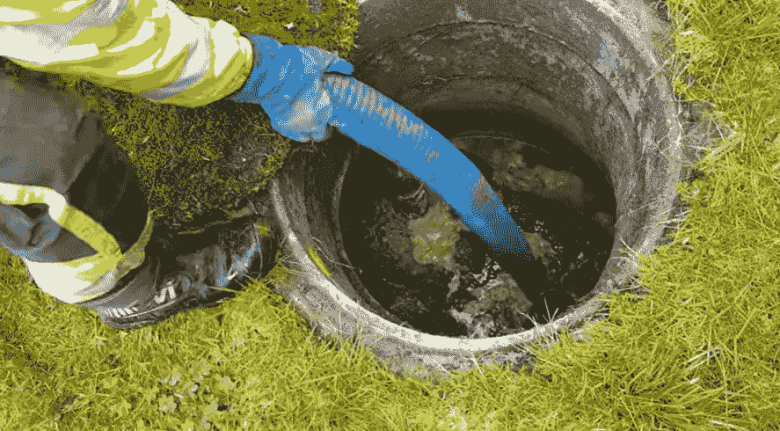
Natural Septic Tank Cleaning: Your Guide to Eco-Friendly Maintenance
Hey there, eco-conscious homeowner! You're probably already doing your part to keep the planet clean, but did you know your septic system can benefit from a natural approach too? That's right, using natural ingredients for septic tank maintenance can not only be effective but also gentler on the environment than harsh chemicals. Let's dive into how you can keep your septic system healthy and happy using Mother Nature's wisdom.
Understanding Your Septic System
First things first, let's get familiar with the basics of your septic system. It's essentially a miniature wastewater treatment plant right in your backyard. Wastewater from your home flows into your septic tank, where solids settle to the bottom, forming sludge. The liquid portion then travels through a network of underground pipes called the drain field, where it gets filtered and eventually released back into the environment.
The key to a smoothly functioning septic system is maintaining a healthy balance between the solid waste and the liquid effluent. This is where those natural ingredients come into play.
Natural Ingredients to the Rescue
Now, let's get down to the nitty-gritty. These natural ingredients can work wonders for your septic system, promoting proper bacteria activity and preventing clogs:
1. Bacteria Boosters: The Power of Microbes
Think of your septic tank as a busy city bustling with microscopic workers. Friendly bacteria, or "microbes," play a crucial role in breaking down waste and keeping your system clean. Here's how you can boost their population:
- Yeast: Yes, the same yeast you use for baking! Adding a cup or two of active dry yeast to your septic tank can introduce helpful bacteria. This is a good option for occasional maintenance.
- Compost Tea: A rich source of beneficial bacteria. To make compost tea, steep compost in water for 24 hours. Then, pour the tea into your septic tank.
- Commercial Septic Tank Additives: While not strictly natural, many commercial additives contain beneficial bacteria strains that help break down waste effectively. Read the label carefully to ensure it's compatible with your septic system.
2. Fats, Oils, and Grease: Don't Let Them Clog
Fats, oils, and grease (FOG) are notorious for causing havoc in your septic system. They can solidify in pipes, forming clogs and hindering the flow of wastewater.
- Grease Traps: Install a grease trap in your kitchen sink to catch FOG before it goes down the drain. This simple device can make a huge difference.
- Composting: If you're feeling adventurous, you can compost your food scraps. This diverts them from your septic tank and provides valuable nutrients for your garden.
- Soap Alternatives: Switch to natural soap alternatives that are biodegradable and less likely to cause grease buildups. Castile soap, for example, is a popular choice.
3. Absorbent and Deodorizing Power: Charcoal and Baking Soda
These pantry staples can help keep your septic system clean and smelling fresh:
- Activated Charcoal: Its absorbent properties help trap odors and remove impurities from wastewater. Simply toss a handful of activated charcoal down your toilet periodically.
- Baking Soda: This versatile ingredient can neutralize odors and help prevent clogs. Sprinkle a cup or two of baking soda into your septic tank once a month.
4. The Magic of Vinegar: A Cleaning Powerhouse
Vinegar is a natural disinfectant that can help eliminate bacteria and keep your septic system smelling clean. Pour a gallon of white vinegar down your toilet once a month. You can also use vinegar to clean your kitchen and bathroom drains, preventing hair and grease from clogging your pipes.
Important Considerations
While these natural approaches are effective, keep these points in mind:
- Frequency: The frequency of using these ingredients depends on your household size and wastewater usage. For routine maintenance, using them monthly is generally sufficient.
- Consult a Professional: For severe septic system issues or if you're unsure about any of these methods, always consult a qualified septic system professional.
- Avoid Flushing Down Waste: Never flush anything down your toilet that isn't meant to go there, including:
- Flushable wipes
- Paper towels
- Disposable diapers
- Cat litter
- Cigarette butts
- Hair
- Grease and oil
- Inspect Your System Regularly: It's a good practice to have your septic tank inspected every 3-5 years to ensure it's functioning properly.
Commonly Asked Questions
Here are some questions you might have about using natural ingredients for septic tank cleaning:
1. Are these methods truly effective?
Yes, these methods are effective in keeping your septic system healthy and functioning properly. By promoting beneficial bacteria activity and reducing the buildup of harmful substances, they help prevent clogs and ensure smooth waste decomposition.
2. Will using natural ingredients damage my septic system?
No, these methods are generally safe for your septic system. They are biodegradable and designed to work with the natural processes involved in wastewater treatment. However, it's always a good idea to consult a professional if you have any doubts.
3. How often should I use these methods?
The frequency depends on your household size and wastewater usage. A good rule of thumb is to use these methods at least once a month for routine maintenance.
4. Can I use these methods along with commercial septic tank additives?
Yes, you can use natural ingredients alongside commercial additives, but read the label carefully to ensure compatibility. Using both may be beneficial, especially if you have a large family or heavy wastewater usage.
5. What if my septic system is already experiencing problems?
If your septic system is already having issues, it's best to call a professional. Natural methods can help with routine maintenance, but they may not be sufficient for addressing existing problems.
There you have it! By embracing natural solutions for your septic tank maintenance, you can contribute to a greener environment while ensuring your system runs smoothly. So, roll up your sleeves, get your hands dirty (metaphorically, of course!), and give these natural ingredients a try! You'll be surprised at how easy and effective they can be. Remember, a clean and healthy septic system is good for everyone!


No comments:
Post a Comment
Note: Only a member of this blog may post a comment.