
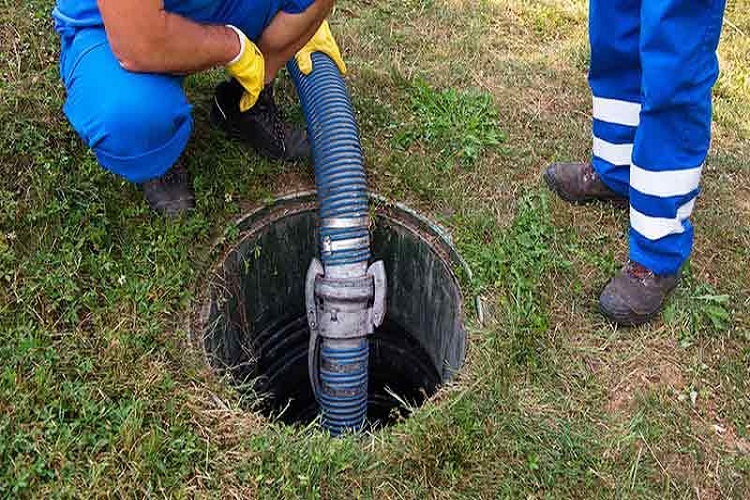
Effective Solutions for Cleaning Your Septic Tank Without Expensive Pumping
Owning a septic system comes with the responsibility of regular maintenance. While professional pumping is the most common method for cleaning your septic tank, it can be a costly affair. Fortunately, several cost-effective solutions exist to help you keep your septic system functioning optimally without breaking the bank. This article explores practical strategies for maintaining a healthy septic system, emphasizing effective cleaning methods that minimize the need for expensive pumping.
Understanding Septic System Basics
Before diving into cleaning methods, let's understand the workings of a septic system. It's a self-contained wastewater treatment system comprising a tank and a leach field.
The Septic Tank
The septic tank is the first stage of treatment. Wastewater from your home enters the tank, where solids settle to the bottom, forming sludge, while lighter liquids (effluent) rise to the top. Bacteria in the tank naturally decompose the sludge, reducing its volume. However, over time, the sludge and scum build up, impacting the tank's efficiency. This buildup can lead to backups, foul odors, and potential damage to your system.
The Leach Field
The leach field is a network of underground pipes and gravel beds that further filter the effluent from the septic tank. The effluent slowly percolates through the soil, allowing bacteria and natural processes to break down any remaining contaminants. This process is crucial for returning treated water back to the environment.
Preventing Septic Tank Issues
The best way to avoid costly septic tank problems is through preventative measures.
Minimize Water Usage
Excessive water use can strain your septic system. Reduce your water consumption by taking shorter showers, fixing leaky faucets, and choosing water-efficient appliances.
Avoid Flushing Problematic Items
Certain items can damage your septic system. Avoid flushing:
Proper Waste Disposal
Instead of pouring hazardous substances down the drain, dispose of them responsibly.
Regular Maintenance
Even with preventative measures, your septic system needs occasional maintenance. Schedule regular inspections and consider using septic tank additives that promote bacterial activity and break down waste.
Cost-Effective Cleaning Methods
While professional pumping is essential for complete cleaning, several methods can help you manage sludge and scum buildup without resorting to expensive pumping every time.
Septic Tank Additives
Septic tank additives contain beneficial bacteria that help break down organic matter. These additives can be purchased at hardware stores and are generally safe for use in properly functioning septic systems. Choose a reputable brand and follow the manufacturer's instructions carefully.
Using a Septic Tank Sludge Reducer
These products are specifically designed to reduce the volume of sludge in your tank. They use natural enzymes to break down solid waste, preventing it from accumulating and becoming a problem. Using a sludge reducer can extend the time between professional pumpings.
Manual Sludge Removal
For smaller septic tanks, manual sludge removal is feasible. This method involves using a bucket or a specialized vacuum to remove sludge from the bottom of the tank. However, it is crucial to understand the risks associated with manual removal, as it requires proper safety precautions and can be physically demanding.
Aerating Your Septic Tank
Aerating your septic tank helps to break down sludge by introducing oxygen. This can be done with a variety of methods, such as adding a septic tank aerator or installing an aeration system. Aeration can improve the overall efficiency of your system, reducing the buildup of sludge and extending the time between pumpings.
Cleaning Your Septic Tank with Water
Adding a large amount of water to your septic tank can help to stir up the sludge and encourage its decomposition. This method involves using a garden hose to add water to the tank, but it's essential to avoid overwhelming the system. It's best to consult with a septic tank expert to determine the appropriate water volume for your specific system.
Signs Your Septic Tank Needs Professional Cleaning
Despite these preventative measures, there are times when professional pumping becomes necessary. Look out for these signs:
If you experience any of these signs, it's crucial to contact a qualified septic tank professional immediately. They can inspect your system, determine the extent of the problem, and advise on the appropriate course of action.
Conclusion
While professional septic tank pumping is essential for regular maintenance, it is possible to prolong the time between pumpings by implementing effective preventative measures and utilizing cost-effective cleaning methods. Understanding your septic system, minimizing water usage, and avoiding problematic waste are key to keeping your system healthy. By following these guidelines, you can maintain a functioning septic system without the burden of frequent and expensive pumping.


No comments:
Post a Comment
Note: Only a member of this blog may post a comment.