
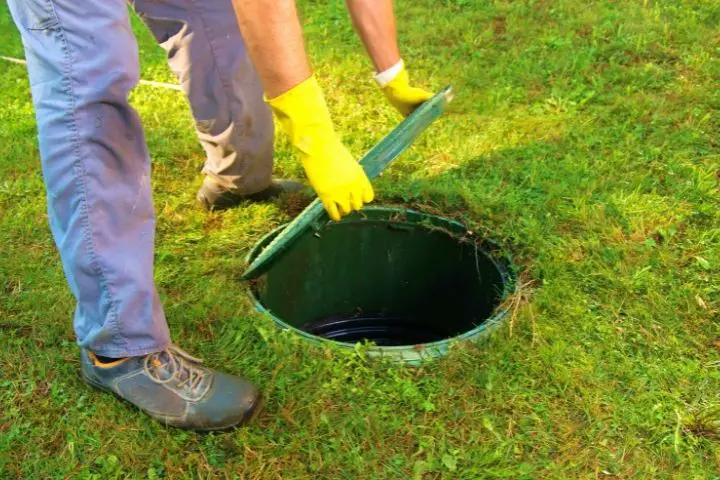
Green Methods to Eliminate Septic Tank Odor Outside
The presence of a septic tank in your backyard can sometimes lead to unpleasant odors. While these odors are usually a sign of a malfunctioning system, they can also be caused by normal decomposition processes within the tank. Fortunately, there are several eco-friendly methods you can employ to combat these foul smells and keep your outdoor space smelling fresh.
Understanding Septic Tank Odor Sources
Before tackling odor control, it's crucial to understand its source. Septic tank odor often arises from hydrogen sulfide gas, produced by anaerobic bacteria breaking down organic waste in the tank. This gas is heavier than air, so it can easily accumulate around the tank and seep into the surrounding soil, eventually finding its way into the air you breathe.
Here are some common sources of septic tank odor:
- Leaky septic tank lid or baffles: These allow hydrogen sulfide gas to escape into the atmosphere.
- Overloaded tank: If the tank is full, the decomposition process intensifies, leading to increased gas production.
- Poorly maintained drain field: A clogged or malfunctioning drain field can prevent wastewater from being properly filtered, increasing odor production.
- Improper venting: Insufficient or blocked vents can trap gases within the tank, forcing them to find alternative escape routes.
- Nearby vegetation: Roots growing near the tank can penetrate the system and cause leaks, releasing odor-causing gases.
Green Solutions for Septic Tank Odor Control
Fortunately, there are many green solutions to combat septic tank odor without resorting to harsh chemicals. These methods focus on natural processes, promoting a healthy septic system while eliminating unpleasant smells.
Aerating the Soil
Aerating the soil around the septic tank can help dissipate odor-causing gases. This process involves introducing air into the soil to increase oxygen levels, which promotes the growth of aerobic bacteria that can break down hydrogen sulfide gas.
- Core Aeration: This technique involves using a specialized tool to remove small cores of soil, allowing air to circulate more effectively.
- Deep-Rooted Plants: Planting deep-rooted plants around the tank can help loosen the soil and improve drainage, enhancing aeration.
- Compost Tea: Applying compost tea to the soil can introduce beneficial microbes that help break down organic matter and reduce odor.
Improving Drainage
Ensuring proper drainage is crucial for septic tank odor control. A clogged or malfunctioning drain field can trap wastewater, leading to a buildup of hydrogen sulfide gas and unpleasant smells.
- Regular Inspection: Inspect the drain field regularly for signs of clogging, such as standing water or slow drainage.
- Avoid Overloading: Limit the amount of water used in the home, especially during periods of heavy rain, to prevent overloading the drain field.
- Water Conservation: Implement water-saving practices, such as low-flow showerheads and toilets, to reduce the amount of wastewater entering the system.
Enhancing Microbial Activity
Promoting the growth of beneficial microbes within the septic tank can help break down waste and reduce odor production.
- Septic Tank Additives: There are commercially available septic tank additives that contain beneficial bacteria and enzymes. These products can help break down waste and reduce odor. However, it's important to choose products specifically designed for septic systems and follow the instructions carefully.
- Natural Alternatives: Using baking soda, vinegar, or activated charcoal in your septic system can help control odor. Baking soda and vinegar can neutralize odors, while activated charcoal can absorb them. However, these methods may not be as effective as dedicated septic tank additives.
- Regular Maintenance: Regular septic tank maintenance, including pumping and inspection, ensures optimal microbial activity and reduces the risk of odor.
Odor Masking
While not a long-term solution, odor masking can temporarily reduce the perception of unpleasant smells.
- Natural Essential Oils: Diffusing essential oils like lavender, peppermint, or tea tree oil can mask odors with pleasant fragrances.
- Scented Plants: Planting fragrant herbs like lavender, rosemary, or mint around the septic tank can create a more pleasant smelling environment.
- Outdoor Fans: Using a fan to circulate air around the septic tank can help dissipate odors and improve ventilation.
Preventing Septic Tank Odor
Prevention is always better than cure. By implementing the following practices, you can reduce the likelihood of encountering septic tank odor in the first place.
- Avoid Flushing Non-Biodegradable Items: Do not flush items like wipes, paper towels, feminine hygiene products, or medications down the toilet. These items can clog the septic system and contribute to odor.
- Minimize Grease and Oil Discharge: Avoid pouring grease and oil down the drain. These substances can solidify and clog the system, leading to odor problems.
- Maintain a Healthy Lawn: Ensure your lawn is well-maintained and avoid over-watering. Excessive watering can overload the septic system and lead to odor.
- Regular Maintenance: Schedule regular septic tank inspections and pumping to prevent a buildup of waste and ensure optimal performance. A properly functioning system is less likely to produce odor.
Professional Help
If you are experiencing persistent septic tank odor despite implementing these green solutions, it's best to contact a professional septic system inspector or plumber. They can diagnose the underlying problem and recommend appropriate solutions, including repairs or replacements if necessary.
By employing these green methods, you can effectively combat septic tank odor and maintain a pleasant smelling outdoor space. Remember that a healthy septic system is a key factor in minimizing odor production. By following these tips and implementing regular maintenance practices, you can keep your septic tank running smoothly and your backyard smelling fresh.


No comments:
Post a Comment
Note: Only a member of this blog may post a comment.