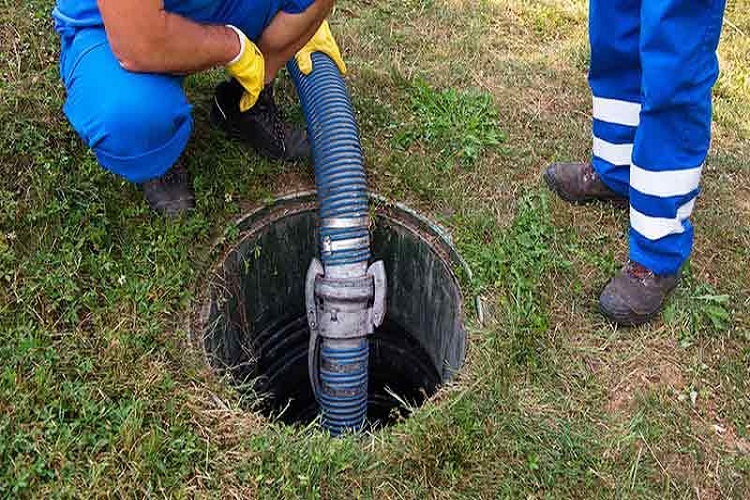
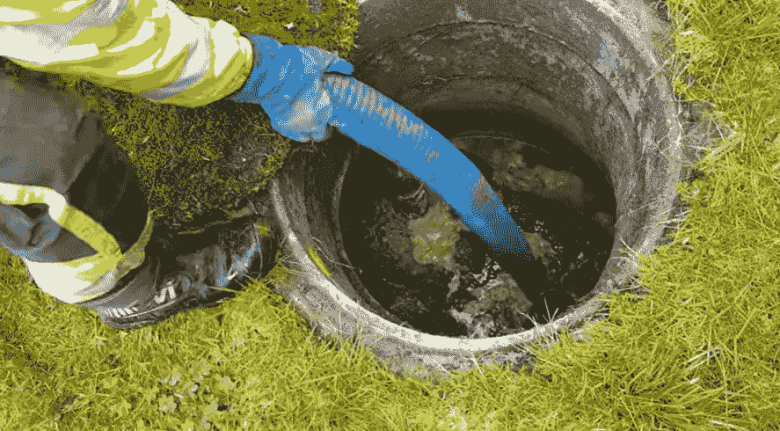
The Quick-Acting Septic Tank Odor Remover That Saved My Yard

The Quick-Acting Septic Tank Odor Remover That Saved My Yard

The Quick-Acting Septic Tank Odor Remover That Saved My Yard

Okay, let's be honest. Nobody wants to talk about septic tanks. They're the unsung heroes (or villains, depending on the day) of suburban life. But when things go wrong â€" when that tell-tale, stomach-churning smell starts wafting through your yard â€" you suddenly become VERY interested in septic tank solutions. And let me tell you, I was in a *serious* predicament.

My lovely, meticulously landscaped backyard, the envy of the neighborhood (or so I thought!), had become a biohazard zone. The smell? Let's just say it was potent enough to clear out a skunk convention. It was embarrassing, it was disgusting, and frankly, it was making me lose sleep. The neighbors were starting to give me those "concerned yet slightly disgusted" looks, and that's when I knew I needed to take action â€" and fast.

The Horror Story Begins (and the Search for a Solution)

It started subtly. A faint whiff here and there. I chalked it up to the dog, the compost, maybe even a rogue raccoon. But then the smell intensified, becoming a constant, acrid reminder of…well, let's just say things we don't want to think about. My attempts at masking the odor with air fresheners were laughably futile. It was like trying to extinguish a bonfire with a thimble of water.

My first thought, naturally, was to call a septic tank pumping service. I envisioned huge trucks, expensive bills, and the disruption of my carefully planned weekend barbeque. Plus, the idea of digging up my prize-winning rose bushes filled me with dread. I needed a solution, but not one that involved a major excavation project and a depleted bank account.

So, I did what any self-respecting modern homeowner would do: I plunged into the depths of the internet. Hours upon hours were spent sifting through product reviews, blog posts, and forum discussions. I learned more about septic tank bacteria than I ever thought possible (and more than I ever *wanted* to know).

Enter: The Miracle Worker (Okay, Maybe Not a Miracle, But Pretty Close)

After weeks of research, countless comparisons, and enough near-miss purchases to make my head spin, I stumbled upon it: SepticTank Rescue (or something very similar â€" I can't remember the exact brand name, but the key is finding a product with similar attributes!). This wasn't your average, run-of-the-mill septic tank treatment. This stuff promised fast-acting odor control and claimed to help break down waste more efficiently.

Skeptical, but desperate, I ordered it. The product arrived quickly, and the instructions were clear and easy to follow. (Seriously, some of the other products I looked at had instructions that looked like they'd been translated from Klingon!). The whole process took about 15 minutes, and it was incredibly easy.

The Application Process: Easier Than You Think

  • Step 1: Read the instructions carefully (yes, even I did this!).
  • Step 2: Pour the recommended amount directly into the toilet. It's a liquid solution, so no messy scooping or mixing required.
  • Step 3: Flush several times to ensure the product reaches the tank.
  • Step 4: Wait. And wait some more. The product works gradually.
  • The Results: A Backyard Transformation

    I'll be honest, I didn't expect miracles. I thought it might help a little, maybe lessen the intensity of the smell. But within just a few hours, I noticed a significant difference. The overpowering stench had begun to fade. By the next morning, it was almost completely gone!

    It wasn't completely odorless â€" you know, septic tanks are inherently… pungent â€" but the difference was incredible. I could actually enjoy my backyard again without gagging or frantically waving a fan. The neighbors haven't mentioned the smell since, which is a huge relief. My precious rose bushes are safe, and my weekend barbeque is back on!

    Maintaining a Happy Septic System: Beyond the Quick Fix

    While this quick-acting odor remover saved the day, it's important to remember that it's not a long-term solution. It's vital to practice good septic system maintenance to prevent future odor problems. This includes:

  • Regular Pumping: Schedule regular professional septic tank pumping based on your tank's size and household usage. This prevents buildup and potential overflows.
  • Water Conservation: Avoid flushing non-biodegradable items down the toilet. This includes things like feminine hygiene products, wipes (even those labeled "flushable"), and excessive amounts of grease or oil.
  • Strategic Landscaping: Avoid planting trees or shrubs with extensive root systems directly above your septic tank. These roots can damage the tank and lines.
  • Regular Maintenance Treatments: Consider using a regular septic tank treatment product to help maintain a healthy bacterial balance in the tank. These products usually don’t eliminate odor as quickly as the emergency-use product but are crucial for long-term health.
  • Frequently Asked Questions

    I know you probably have questions, so here are a few answers based on what I've learned from my own experience:

    Q: How often should I use this quick-acting odor remover?

    A: This product is meant for emergency situations. It's not something you should use regularly. Regular maintenance treatments are a better solution for ongoing septic system health. Use this only when you have a noticeable odor problem.

    Q: Is this product safe for the environment?

    A: Most septic tank treatments use bacteria to break down waste, which is generally considered environmentally friendly, but always check the product's specific label for environmental impact information.

    Q: Will this product damage my septic tank?

    A: No, reputable brands are designed to be safe for septic systems. However, always follow the manufacturer's instructions carefully.

    Q: How long does it take to work?

    A: Results vary, but in my experience, I started seeing a noticeable difference within a few hours, and the odor was almost completely gone within 24 hours.

    Hopefully, this has been helpful! Remember, a smelly septic tank is a problem that shouldn't be ignored. Taking proactive steps to maintain your system is key, but having a quick-acting odor remover on hand for those emergency situations can save your sanity (and your backyard!).
    Share:

    How Can I Test If My Septic Tank Odor Is from a Leak?

    How Can I Test If My Septic Tank Odor Is from a Leak?

    Is That Septic Smell a Leak? Let's Find Out!

    Ugh, that septic smell. It's the kind of aroma that makes you want to hold your breath and run for the hills. But before you start panicking and calling in the big guns (and big bills!), let's figure out if that funky odor is actually coming from a septic tank leak. It could be something much simpler, honestly! This guide will walk you through how to investigate, step by step. We'll cover everything from simple checks to more involved detective work.

    First Things First: Is It REALLY a Septic Smell?

    Sometimes, our noses play tricks on us. That "septic" smell might actually be something else entirely. Before we jump to conclusions about a catastrophic leak, let's rule out some common culprits:

    The Usual Suspects:

    • Clogged drains: A slow-draining sink, shower, or toilet can trap wastewater and create a stinky backup. Try plunging these drains first. A simple fix can save you a lot of worry (and money!).
    • Garbage disposal issues: If you have a garbage disposal, make sure it's working properly. Food scraps decomposing inside can cause a pretty potent odor.
    • Dry P-traps: P-traps (those curved pipes under your sinks) are designed to hold a small amount of water, which acts as a seal preventing sewer gases from entering your home. If these traps dry out (e.g., if you haven't used a sink in a while), sewer gases can escape. Pouring water down the drain should solve this.
    • Roof vents: While designed to vent sewer gases *outside* your home, sometimes the vent can become clogged or damaged, causing a backflow. Check if there’s any obvious blockage around your roof vent pipe.
    • Sewage line blockage: A blockage further down the line than your internal plumbing might cause a similar smelly situation. This often requires professional help.

    If you’ve checked all these and the smell persists, strongly suggesting a septic issue, then let's move on to investigating potential leaks.

    Investigating Potential Septic Tank Leaks

    Okay, so you're pretty sure the smell is coming from your septic system. Now it's time to get a little more scientific (or at least methodical!).

    Visual Inspection: The First Line of Defense

    Start with a careful examination of your septic tank and the surrounding area. Look for:

    • Visible cracks or damage: Check the tank itself for any obvious cracks or breaches. Look closely at the lid and any pipes connecting to the tank.
    • Soggy or unusually green patches of grass: Leaks often manifest as consistently damp or overly lush spots of vegetation above the tank or leach field. This is because wastewater is leaking into the surrounding soil.
    • Pooling water: Any standing water near the tank is a major red flag indicating a possible leak.
    • Unusual bubbling in the soil: This is a more subtle sign, but if you notice the ground bubbling or appears to be moving near your septic system, it might suggest a significant leak.

    Remember safety first! Septic tanks contain hazardous materials. Never go near the tank without appropriate safety precautions. If you're uncomfortable with any part of this process, call a professional!

    The Smell Test (and its limitations):

    While the smell itself isn't definitive proof of a leak, its location can be helpful. Is the smell strongest near the tank itself, or is it more widespread? A concentrated smell near the tank suggests a potential leak from the tank itself, while a more diffuse smell could point to a problem with the leach field. Remember, the smell alone isn't enough to confirm a leak.

    Checking the Baffle System (If Accessible):

    If you have access to your septic tank (and you're comfortable doing so!), carefully check the interior baffles. These partitions help separate solids from liquids within the tank. Damage to the baffles could lead to solids escaping into the leach field prematurely, causing backups and odors. Again, caution is key! Septic tanks contain hazardous materials.

    Beyond Visual Inspection: When to Call a Pro

    If your visual inspection doesn't reveal anything obvious, or if you're uncomfortable working around your septic system, it's time to call in a professional septic tank inspector. They have specialized equipment and expertise to diagnose problems that aren't visible to the naked eye. A professional can:

    • Perform a dye test: A dye is introduced into the system, and its movement is tracked to pinpoint the location of any leaks.
    • Conduct a camera inspection: A small camera is inserted into the pipes to visually inspect for cracks or blockages.
    • Check the leach field's performance: This helps determine if the field is functioning properly or if it's overloaded due to a leak or other issue.
    • Provide accurate diagnosis and repair recommendations: They can give you a clear understanding of the problem and the best way to fix it.

    Prevention is Key: Maintaining Your Septic System

    Regular maintenance is crucial to preventing costly repairs and unpleasant odors. Here are some tips:

    • Pumping schedule: Follow the recommended pumping schedule for your septic tank. This typically ranges from every 3-5 years, depending on tank size and household size. Overfilling can cause leaks.
    • Limit water usage: Avoid activities that overload your septic system, such as excessive laundry or frequent showering.
    • Avoid harmful substances: Keep harsh chemicals, like bleach, paint, and motor oil, out of your drains. These substances can damage your septic system.
    • Inspect regularly: Perform a visual inspection of your septic tank and surrounding area at least once a year.

    Commonly Asked Questions

    Q: How much does septic tank repair cost? A: This varies greatly depending on the extent of the damage, location, and the contractor. Expect to pay anywhere from a few hundred dollars for minor repairs to several thousand for major issues like tank replacement.

    Q: How long can I wait to fix a septic leak? A: Don't delay! Leaks can cause significant environmental damage and structural problems to your property. Addressing the issue promptly is always best.

    Q: Can I repair my septic tank myself? A: Unless you have significant plumbing experience, it's generally recommended to leave septic tank repairs to professionals. Working with septic systems involves hazardous materials and requires specialized knowledge.

    Q: What are the signs of a failing leach field? A: Signs include slow-draining drains, consistently soggy ground above the leach field, and foul odors. If you suspect a failing leach field, contact a professional immediately.

    Q: What is the lifespan of a septic tank? A: With proper maintenance, a septic tank can last 20-30 years or even longer. The leach field typically has a shorter lifespan, often needing replacement before the tank.

    Remember, addressing a septic issue promptly can prevent larger, more expensive problems down the line. If you're unsure about anything, always seek professional help.

    Share:

    Septic Tank Smell Problems Solved: Expert Tips and Tricks

    Septic Tank Smell Problems Solved: Expert Tips and Tricks

    Septic Tank Smell Problems Solved: Expert Tips and Tricks

    That unmistakable, pungent odor wafting from your yard? It's a clear sign your septic system needs attention. A malfunctioning septic tank isn't just unpleasant; it poses a serious health and environmental risk. But before you panic and call in expensive professionals, consider these expert tips and tricks to diagnose and solve the problem yourself. You might be surprised at how simple the solution can be!

    Identifying the Source of the Septic Smell

    Pinpointing the exact source of the smell is the first crucial step. Don't assume it's automatically the tank itself. The odor might originate from a cracked pipe, a clogged drain field, or even a simple vent problem. Carefully inspect your yard, paying close attention to areas near the septic tank and drain field. Look for any visible signs of sewage, soggy ground, or unusual plant growth, which could indicate a leak. A damp or discolored patch of grass often points to a problem beneath the surface. If you suspect a specific area, gently probe the ground with a shovel to further investigate. Remember to exercise caution and avoid digging directly on top of the tank or drain field.

    Troubleshooting Common Septic Smell Issues

    Clogged Vents

    Septic tanks rely on vents to release gases, preventing pressure buildup and unpleasant smells. A blocked vent traps these gases, forcing them to escape through other avenuesâ€"often your yard. Check your vent pipes for blockages, including bird nests, leaves, or ice. If you find debris, carefully remove it. For stubborn clogs, you may need a plumber's snake or a high-pressure water jet to clear the pipe. Regular maintenance, including annual inspections and cleaning, can prevent vent blockages.

    Failing Drain Field

    The drain field, responsible for filtering wastewater, is the most common source of septic smell problems. Overloading the system with excessive water usage or improper waste disposal can lead to saturation and cause sewage to back up. Signs of a failing drain field include consistently soggy ground above the drain field, slow draining sinks and toilets, and persistent foul odors. This problem often requires professional intervention, as it may need extensive repairs or replacement. Reducing water usage and avoiding pouring grease down the drains can help prolong the lifespan of your drain field.

    Cracked Pipes

    Cracks in pipes leading to or from the septic tank allow wastewater to leak into the surrounding soil. This leakage leads to unpleasant smells and contaminates the ground. Locating cracks often requires a professional inspection using specialized equipment. Repairing cracked pipes involves excavating the affected area, replacing the damaged section, and ensuring proper sealing. Regular inspections and prompt repair are vital to prevent further damage and environmental contamination.

    Preventing Future Septic Smell Problems

    Prevention is key to avoiding costly repairs and embarrassing odors. Implement these proactive measures:

    • Limit water usage: Conserve water whenever possible to reduce the strain on your septic system.
    • Avoid flushing inappropriate items: Keep grease, feminine hygiene products, and other non-biodegradable materials out of your plumbing system.
    • Regular pumping: Schedule regular septic tank pumping according to your system's capacity and usage. This prevents buildup and potential overflows.
    • Proper landscaping: Avoid planting trees or heavy shrubs near the septic tank or drain field, as their roots can damage pipes.
    • Annual inspections: Hire a qualified septic system professional for annual inspections to identify potential problems early.

    By diligently following these tips, you can keep your septic system running smoothly and your home smelling fresh. Remember, addressing septic issues promptly prevents minor problems from escalating into expensive and complicated repairs. Don't hesitate to call a professional if you're unsure about handling any aspect of septic maintenance.

    Share:

    How to Use Septic Tank Odor Eliminators Effectively

    How to Use Septic Tank Odor Eliminators Effectively

    How to Use Septic Tank Odor Eliminators Effectively

    The unpleasant odor emanating from your septic tank can be a major source of discomfort and embarrassment. Fortunately, effective septic tank odor eliminators are available to help combat this problem. These products work by neutralizing the bacteria that produce the foul smell, offering a fresh and odor-free environment. To maximize their effectiveness, you need to understand how to use them correctly. This article will guide you through the process of utilizing septic tank odor eliminators efficiently.

    Understanding Septic Tank Odor Eliminators

    Septic tank odor eliminators are typically formulated with enzymes and bacteria that break down waste and reduce the amount of harmful gases produced. These products can be found in various forms, including tablets, liquids, and powders.

    Types of Septic Tank Odor Eliminators

    There are two primary categories of septic tank odor eliminators:

    • Biological Odor Eliminators: These products contain beneficial bacteria that consume waste and reduce odor-causing gases. They are considered environmentally friendly and safe for your septic system.
    • Chemical Odor Eliminators: These products use chemicals to mask or neutralize odors. While they can provide immediate relief, they may not address the underlying problem and could potentially harm your septic system.

    Effective Application of Septic Tank Odor Eliminators

    Follow these steps to use septic tank odor eliminators effectively:

    1. Choose the Right Product: Select a product designed specifically for septic tanks. Consider the type of your septic system (conventional or aerobic) and the severity of the odor when making your choice.
    2. Read the Instructions: Each product has its own application instructions. Pay close attention to dosage, frequency, and any specific precautions.
    3. Follow the Dosage Instructions: Overusing a product may overload your septic system and cause problems. Using too little will not be effective.
    4. Add the Product Correctly: Most odor eliminators are added directly to the septic tank. However, some products are designed for use in the drainfield or toilet bowl. Follow the product instructions carefully.
    5. Maintain Proper Septic System Care: Odor eliminators are meant to be supplemental, not a replacement for proper septic system maintenance. Ensure regular pumpings, avoid flushing harmful substances, and use water-saving appliances to keep your system functioning optimally.

    Troubleshooting Odor Issues

    If your septic tank odor persists even after using odor eliminators, there might be underlying issues with your system. Consider the following:

    • Overflowing Tank: A full septic tank can lead to odors. Schedule a pumping service if you suspect a full tank.
    • Clogged Drainfield: A clogged drainfield can prevent waste from filtering properly, causing odor issues. Contact a professional for drainfield inspection and cleaning.
    • Faulty Plumbing: Leaking pipes or damaged seals can lead to odor problems. Hire a plumber to inspect and repair any plumbing issues.

    Conclusion

    Using septic tank odor eliminators correctly can significantly reduce foul smells and create a more pleasant living environment. Remember to choose the right product, follow instructions carefully, and maintain your septic system regularly. If odor issues persist, contact a professional for troubleshooting and repair. By taking these steps, you can effectively manage septic tank odors and enjoy a fresh-smelling home.

    Share:

    How to Keep Your Septic Tank Smelling Fresh

    How to Keep Your Septic Tank Smelling Fresh

    How to Keep Your Septic Tank Smelling Fresh

    A septic tank is an essential part of many homes' wastewater systems, but it can sometimes become a source of unpleasant odors. Luckily, there are several simple things you can do to keep your septic tank smelling fresh and prevent any embarrassing situations.

    Understanding the Source of Septic Tank Odors

    Septic tank odors usually arise from the breakdown of organic matter in the tank. Bacteria decompose waste, producing gases like hydrogen sulfide, which has a distinct rotten egg smell. These gases can escape through the tank's vent pipe, leading to unpleasant odors in your home.

    Tips for Preventing Septic Tank Odors

    Fortunately, preventing unpleasant odors from your septic tank is achievable with proactive measures. Here's how:

    Regularly Inspect and Maintain Your Tank

    A properly functioning septic tank is key to odor prevention. Regular inspections by a professional every 3-5 years ensure the tank is working efficiently. This includes checking for sludge buildup, which can trap odors.

    Avoid Flushing Unnecessary Items

    Your septic system isn't designed for everything. Avoid flushing items like:

    • Disposable wipes
    • Feminine hygiene products
    • Paper towels
    • Cigarette butts
    • Food scraps
    • Grease and oil

    These items can clog your system, leading to odors and potential backups.

    Properly Dispose of Fats, Oils, and Grease

    Fats, oils, and grease (FOG) can solidify in your septic tank, blocking the flow and creating a breeding ground for odor-producing bacteria. Always dispose of these items in separate containers or use a garbage disposal.

    Use Septic Tank Additives

    Septic tank additives can help break down waste and reduce odors. They contain beneficial bacteria that accelerate the decomposition process, keeping your tank clean and smelling fresh.

    Ensure Proper Ventilation

    A properly vented septic tank is crucial for odor control. The vent pipe allows gases to escape safely, preventing them from backing up into your home.

    Be Mindful of Landscaping

    Avoid planting trees or shrubs near your septic tank, as their roots can damage the system and create pathways for odors to escape.

    Dealing with Existing Septic Tank Odors

    If you're already experiencing septic tank odors, try these steps:

    • Use a commercial septic tank odor eliminator.
    • Pour a cup of baking soda down the toilet and flush it.
    • Sprinkle baking soda in the septic tank lid to neutralize odors.
    • Open windows and air out the affected area.

    If the odor persists, it's essential to consult a qualified professional to investigate the underlying cause.

    Conclusion

    Keeping your septic tank smelling fresh is achievable with regular maintenance, proper usage, and simple preventative measures. Following these tips can help ensure a more pleasant experience in your home and avoid any potential problems down the road.

    Share:

    Septic Tank Smells in the Bathroom: How to Find the Source and Fix It

    Septic Tank Smells in the Bathroom: How to Find the Source and Fix It

    Septic Tank Smells in the Bathroom: How to Find the Source and Fix It

    A foul odor emanating from your bathroom, particularly a septic tank smell, can be a real nuisance. It can be embarrassing for guests and disrupt your daily life. The good news is that you can usually tackle this problem with a little detective work and some straightforward solutions. This article will guide you through the process of identifying the source of the septic smell in your bathroom and provide practical steps to fix it.

    Pinpointing the Source: A Systematic Approach

    The first step is to identify where the smell is strongest. This will help you narrow down the potential culprits. Follow these steps:

    1. Check for obvious leaks:

    Start by inspecting the obvious. Look for any visible leaks around the toilet, sink, bathtub, or shower drain. Cracks or gaps in the pipes or around fixtures can allow sewage gases to escape. If you find a leak, repair it immediately.

    2. Inspect the toilet:

    The toilet is often the culprit of septic tank smells. The wax ring seal beneath the toilet bowl can deteriorate over time, allowing sewer gases to seep into your bathroom. Look for cracks in the ring or gaps around the base of the toilet. Consider replacing the wax ring if it appears damaged.

    3. Test the drain:

    Pour a cup of water into the drain of the sink, tub, or shower. If the water drains slowly or doesn't drain at all, it could be a sign of a blockage in the drainpipe. A blocked drain can trap sewage gases and cause them to release into the bathroom.

    4. Check the vent pipe:

    The vent pipe helps regulate air pressure in the sewer system and prevent odors. A clogged or blocked vent pipe can cause sewage gases to back up into your bathroom. Look for any obstructions in the vent pipe on your roof. You can often check the vent pipe by looking at the roof, but if it's hard to reach or you suspect a problem, call a plumber.

    Fixing the Issue: Effective Solutions

    Once you've identified the source of the smell, you can take steps to fix the problem. Here are some common solutions:

    1. Repair leaks:

    If you find leaks, call a plumber to repair them promptly. You may need to replace the damaged pipe or fixture.

    2. Replace the wax ring:

    If the wax ring under your toilet is damaged, you can replace it yourself with a new one. You can find instructions online, but it's best to consult a plumber if you're unsure about the process.

    3. Clear blocked drains:

    Use a plunger or drain snake to clear any blockages in the drain pipes. If the blockage is stubborn, consider using a chemical drain cleaner. However, use chemical cleaners cautiously and only when necessary, as they can damage pipes over time.

    4. Clean the vent pipe:

    If the vent pipe is blocked, you may need to clear it yourself or call a plumber. Make sure to be safe when working on the roof.

    Preventative Measures: Keeping the Smell at Bay

    Preventative measures can help you avoid future septic tank smells in your bathroom.

    Here are some tips:

    • Flush the toilet regularly to keep the wax ring sealed.
    • Avoid pouring grease or hair down the drain, as these can cause blockages.
    • Use a drain strainer to catch hair and other debris that could clog the drain.
    • Clean your septic tank regularly to prevent buildup and overflow.
    • Consider adding a vent fan in the bathroom to help exhaust moisture and odors.

    By following these steps and maintaining preventative measures, you can effectively address and eliminate septic tank smells in your bathroom, creating a more pleasant and healthy environment for yourself and your family.

    Share:

    Causes of Septic Tank Smells and How to Fix Drain Field Issues

    Causes of Septic Tank Smells and How to Fix Drain Field Issues

    Causes of Septic Tank Smells and How to Fix Drain Field Issues

    A septic system is a vital part of any home that doesn't have access to public sewer lines. It efficiently treats wastewater before releasing it back into the environment. However, when your septic system starts malfunctioning, it can be a real nuisance, especially when you're faced with unpleasant odors coming from your yard. This article will delve into the common causes of septic tank smells and provide practical solutions for fixing drain field issues.

    Common Causes of Septic Tank Smells

    Septic tank smells are often a sign that something is amiss. It's crucial to identify the source of the odor before implementing any solutions. Here are some common causes:

    1. Overloaded Septic Tank

    A septic tank that's overfilled with waste can lead to a buildup of pressure, forcing sewage to back up into your plumbing system and potentially seep into your yard. This is a surefire recipe for unpleasant odors. To prevent this, make sure you know the capacity of your septic tank and don't exceed it. Regularly schedule septic tank pumping services to maintain an optimal level.

    2. Drain Field Failure

    The drain field is responsible for filtering the wastewater from your septic tank. When the drain field fails, wastewater won't be adequately dispersed, leading to a buildup of sewage and a pungent odor. Causes of drain field failure can include clogging, soil compaction, or a broken leach line.

    3. Broken Septic Tank Components

    Septic tanks have various components, including baffles, inlet and outlet pipes, and the tank itself. If any of these components are damaged, it can disrupt the flow of wastewater and create a foul odor.

    4. Improper Plumbing Connections

    A faulty connection between your plumbing and the septic tank can lead to wastewater leaking and generating a smelly situation. Ensure that all connections are tight and properly sealed.

    5. Excessive Water Usage

    Excessive water usage can overwork your septic system, leading to a backup and unpleasant odors. To prevent this, practice water conservation measures. Avoid using a washing machine or dishwasher frequently, and take shorter showers.

    Fixing Drain Field Issues

    A failing drain field requires attention to prevent a major septic system breakdown. Here's how you can fix it:

    1. Inspect the Drain Field

    Start by visually inspecting the drain field for any signs of damage or blockage. Look for signs of flooding, sunken areas, or any vegetation growing over the drain field.

    2. Assess the Soil

    Soil conditions play a crucial role in drain field performance. If the soil is compacted or too dense, it won't allow for proper drainage. You may need to consider soil aeration or other techniques to improve drainage.

    3. Repair or Replace Leach Lines

    If the leach lines are damaged or clogged, they'll need to be repaired or replaced. Depending on the extent of the damage, this might be a DIY project or require professional assistance.

    4. Consider a Septic System Upgrade

    If your septic system is old or outdated, you might need to consider an upgrade to a more efficient system. This could involve installing a new septic tank, drain field, or even a whole new system altogether.

    Preventative Measures to Avoid Septic Tank Smells

    The best approach to dealing with septic tank smells is to take preventative measures to avoid them altogether. Here are some key strategies:

    • Regular Septic Tank Pumping: Schedule regular septic tank pumping services to prevent the tank from becoming overloaded.
    • Proper Water Usage: Practice water conservation measures to minimize the load on your septic system.
    • Avoid Toxic Chemicals: Avoid using harsh chemicals in your plumbing and avoid flushing items like paint, grease, or medication down the toilet.
    • Properly Dispose of Fats, Oils, and Grease: Fats, oils, and grease can solidify in your septic tank and hinder the wastewater treatment process. Always dispose of them properly.
    • Regular Inspections: Have your septic system inspected regularly by a qualified professional. Early detection of issues can prevent significant problems down the line.

    Dealing with septic tank smells can be a frustrating experience. By understanding the common causes, implementing the appropriate solutions, and taking proactive steps to prevent future issues, you can enjoy a well-functioning and odor-free septic system.

    Share:

    The Best Ways to Get Rid of Septic Tank Smells in the House

    The Best Ways to Get Rid of Septic Tank Smells in the House

    The Best Ways to Get Rid of Septic Tank Smells in the House

    A septic tank is a vital part of any home's wastewater system. It's responsible for treating sewage before it's released back into the environment. However, when your septic tank is not functioning properly, it can start to produce unpleasant odors that can seep into your house. These odors can be embarrassing and even detrimental to your health. Fortunately, there are various ways to eliminate septic tank smells in your home.

    Identifying the source of the smell is crucial before attempting any solutions. If the smell is localized to a specific area, such as a bathroom or kitchen, the problem may be a leak in the plumbing system. However, if the smell is pervasive throughout the house, it indicates a problem with the septic tank itself.

    This article will cover some of the best ways to get rid of septic tank smells in your house, focusing on both preventive measures and corrective actions.

    Understanding the Source of Septic Tank Smells

    Septic tank odors usually result from the breakdown of organic matter, primarily sewage, within the tank. This process produces various gases, including hydrogen sulfide (H2S), which is the primary contributor to the rotten egg smell commonly associated with septic systems.

    The presence of these gases can be due to several factors, including:

    • Overloading the tank: If you're consistently exceeding the tank's capacity, the wastewater may not be adequately treated, leading to odor production.
    • Improper maintenance: A lack of regular maintenance can result in a buildup of solids in the tank, preventing the proper breakdown of waste and leading to foul smells.
    • Leaks in the system: Cracks or leaks in the septic tank itself, the drain field, or the plumbing system can allow sewage gases to escape into your home.
    • Dry weather: During periods of drought, the water level in the tank may drop, leading to increased gas production and a stronger odor.
    • Bacteria imbalance: The natural bacteria responsible for breaking down waste in the tank may be insufficient, leading to incomplete decomposition and odor.

    Preventive Measures to Eliminate Septic Tank Smells

    The most effective way to prevent septic tank odors is through regular maintenance and careful usage of your septic system. Here are some preventative measures:

    1. Schedule Regular Inspections and Pumping

    Regular inspections can help detect any issues early on, preventing potential problems from escalating. It's recommended to have your septic tank inspected and pumped every 3-5 years, or more frequently if you have a large family or use a lot of water.

    2. Avoid Overloading the Tank

    Overloading the tank can lead to various issues, including odor production. Avoid using unnecessary amounts of water, such as long showers, excessive laundry loads, or running the dishwasher when it's not full. Be mindful of what you flush down the toilet, as items like disposable wipes, paper towels, and feminine hygiene products can contribute to overloading and clogging.

    3. Limit the Use of Harsh Chemicals

    Harsh chemicals like bleach, disinfectants, and drain cleaners can disrupt the natural bacterial balance in your septic system, potentially leading to odor problems. Use these products sparingly and opt for eco-friendly alternatives whenever possible.

    4. Maintain the Drain Field

    The drain field is responsible for filtering the treated wastewater before it returns to the environment. Keeping the drain field free of obstructions and in good condition is essential for proper functioning and odor prevention. Avoid driving or parking vehicles over the drain field, and ensure proper landscaping around it.

    5. Conserve Water

    Conserving water not only saves money but also reduces the strain on your septic system. Install low-flow showerheads, faucets, and toilets to minimize water usage and protect your septic system from overloading.

    Corrective Actions to Eliminate Existing Septic Tank Smells

    If you're already experiencing septic tank odors, it's time to take action to eliminate them. Here are some corrective measures you can take:

    1. Use a Septic Tank Odor Eliminator

    Septic tank odor eliminators are commercially available products that contain bacteria and enzymes designed to break down waste and neutralize odors. These products can be added to your tank through the toilet bowl or by pouring them directly into the septic tank inlet.

    2. Add Baking Soda and Vinegar

    A combination of baking soda and vinegar is an effective and natural odor neutralizer. Pour a cup of baking soda down the toilet drain, followed by a cup of vinegar. Allow the mixture to fizz and sit for 30 minutes before flushing. This method helps to deodorize the drain and eliminate odors from the plumbing system.

    3. Use Activated Carbon Filters

    Activated carbon filters are an excellent option for absorbing odors from the air. You can purchase activated carbon filters in various forms, such as air fresheners, candles, or DIY solutions using charcoal. Place the filters in areas where the odor is most pronounced.

    4. Clean and Deodorize the Septic Tank Vents

    The septic tank vent pipe is designed to allow gases to escape from the tank. If the vent pipe is blocked or dirty, it can lead to odor buildup. Regularly clean the vent pipe to ensure proper ventilation and prevent odor problems.

    5. Check for Leaks in Your Plumbing

    A leak in your plumbing system can allow sewage gases to escape into your house. Inspect your plumbing system for any leaks, cracks, or loose fittings. Address any issues promptly to prevent further odor problems.

    6. Consider a Septic System Upgrade

    In severe cases, an upgrade to your existing septic system may be necessary. This could include a new tank, drain field, or even a different type of system altogether. Consult a qualified septic system professional to determine the best course of action.

    When to Seek Professional Help

    While some DIY solutions can address septic tank odors, certain situations require professional assistance. Contact a licensed septic system professional if:

    • The smell is persistent and strong despite trying various home remedies.
    • The tank is more than 10 years old and has never been inspected or pumped.
    • You suspect a leak in the tank or drain field.
    • You're experiencing other issues with your septic system, such as backups or slow drains.

    Conclusion

    Dealing with septic tank smells in your home can be unpleasant, but with the right preventative measures and corrective actions, you can effectively eliminate the odors and keep your home smelling fresh. By understanding the causes of septic tank odors, maintaining your system regularly, and addressing any issues promptly, you can ensure a clean, comfortable, and odor-free living environment.

    Share:

    Effective Solutions for Cleaning Your Septic Tank Without Expensive Pumping

    Effective Solutions for Cleaning Your Septic Tank Without Expensive Pumping

    Effective Solutions for Cleaning Your Septic Tank Without Expensive Pumping

    Owning a septic system comes with the responsibility of regular maintenance. While professional pumping is the most common method for cleaning your septic tank, it can be a costly affair. Fortunately, several cost-effective solutions exist to help you keep your septic system functioning optimally without breaking the bank. This article explores practical strategies for maintaining a healthy septic system, emphasizing effective cleaning methods that minimize the need for expensive pumping.

    Understanding Septic System Basics

    Before diving into cleaning methods, let's understand the workings of a septic system. It's a self-contained wastewater treatment system comprising a tank and a leach field.

    The Septic Tank

    The septic tank is the first stage of treatment. Wastewater from your home enters the tank, where solids settle to the bottom, forming sludge, while lighter liquids (effluent) rise to the top. Bacteria in the tank naturally decompose the sludge, reducing its volume. However, over time, the sludge and scum build up, impacting the tank's efficiency. This buildup can lead to backups, foul odors, and potential damage to your system.

    The Leach Field

    The leach field is a network of underground pipes and gravel beds that further filter the effluent from the septic tank. The effluent slowly percolates through the soil, allowing bacteria and natural processes to break down any remaining contaminants. This process is crucial for returning treated water back to the environment.

    Preventing Septic Tank Issues

    The best way to avoid costly septic tank problems is through preventative measures.

    Minimize Water Usage

    Excessive water use can strain your septic system. Reduce your water consumption by taking shorter showers, fixing leaky faucets, and choosing water-efficient appliances.

    Avoid Flushing Problematic Items

    Certain items can damage your septic system. Avoid flushing:

  • Disposable wipes (even if labeled "flushable")
  • Paper towels
  • Cotton balls
  • Grease and oil
  • Coffee grounds
  • Hair and other personal hygiene products
  • Proper Waste Disposal

    Instead of pouring hazardous substances down the drain, dispose of them responsibly.

    Regular Maintenance

    Even with preventative measures, your septic system needs occasional maintenance. Schedule regular inspections and consider using septic tank additives that promote bacterial activity and break down waste.

    Cost-Effective Cleaning Methods

    While professional pumping is essential for complete cleaning, several methods can help you manage sludge and scum buildup without resorting to expensive pumping every time.

    Septic Tank Additives

    Septic tank additives contain beneficial bacteria that help break down organic matter. These additives can be purchased at hardware stores and are generally safe for use in properly functioning septic systems. Choose a reputable brand and follow the manufacturer's instructions carefully.

    Using a Septic Tank Sludge Reducer

    These products are specifically designed to reduce the volume of sludge in your tank. They use natural enzymes to break down solid waste, preventing it from accumulating and becoming a problem. Using a sludge reducer can extend the time between professional pumpings.

    Manual Sludge Removal

    For smaller septic tanks, manual sludge removal is feasible. This method involves using a bucket or a specialized vacuum to remove sludge from the bottom of the tank. However, it is crucial to understand the risks associated with manual removal, as it requires proper safety precautions and can be physically demanding.

    Aerating Your Septic Tank

    Aerating your septic tank helps to break down sludge by introducing oxygen. This can be done with a variety of methods, such as adding a septic tank aerator or installing an aeration system. Aeration can improve the overall efficiency of your system, reducing the buildup of sludge and extending the time between pumpings.

    Cleaning Your Septic Tank with Water

    Adding a large amount of water to your septic tank can help to stir up the sludge and encourage its decomposition. This method involves using a garden hose to add water to the tank, but it's essential to avoid overwhelming the system. It's best to consult with a septic tank expert to determine the appropriate water volume for your specific system.

    Signs Your Septic Tank Needs Professional Cleaning

    Despite these preventative measures, there are times when professional pumping becomes necessary. Look out for these signs:

  • Slow drains
  • Gurgling sounds in the plumbing
  • Foul odors in the house
  • Water backing up into the shower or sink
  • Grass growing unusually fast over the leach field
  • If you experience any of these signs, it's crucial to contact a qualified septic tank professional immediately. They can inspect your system, determine the extent of the problem, and advise on the appropriate course of action.

    Conclusion

    While professional septic tank pumping is essential for regular maintenance, it is possible to prolong the time between pumpings by implementing effective preventative measures and utilizing cost-effective cleaning methods. Understanding your septic system, minimizing water usage, and avoiding problematic waste are key to keeping your system healthy. By following these guidelines, you can maintain a functioning septic system without the burden of frequent and expensive pumping.

    Share:

    How to Keep Your Home Safe from Septic Tank Odors and Their Dangers

    How to Keep Your Home Safe from Septic Tank Odors and Their Dangers

    How to Keep Your Home Safe from Septic Tank Odors and Their Dangers

    A well-maintained septic system is essential for a healthy and comfortable living environment. However, when problems arise, they can manifest in unpleasant ways, particularly through the release of noxious odors. These odors are not only a nuisance, but they can also be indicative of serious underlying issues that pose risks to your health and safety.

    This comprehensive guide will delve into the causes of septic tank odors, the potential dangers they present, and effective strategies to eliminate them and prevent their recurrence.

    Understanding Septic Tank Odors and Their Causes

    The characteristic pungent smell emanating from a septic system is caused by the breakdown of organic waste by bacteria within the tank. While some degree of odor is normal, particularly during periods of heavy usage, an unusually strong or persistent smell can indicate a problem.

    Common causes of septic tank odors include:

    1. Overloading the Tank

    When the septic tank becomes overloaded with waste, it can lead to a buildup of sludge and scum, which can then escape through the system and into the surrounding soil and air. This is particularly likely to occur when a large volume of water or waste is introduced into the system, such as during a party or family gathering.

    2. Clogged Drainfield

    The drainfield, also known as the leach field, is responsible for filtering treated wastewater from the septic tank. When the drainfield becomes clogged, the wastewater cannot properly drain, leading to backups and an increase in pressure that can force foul odors back into the home.

    3. Improper Ventilation

    Proper ventilation is crucial for preventing the accumulation of gases within the septic tank. If the vent pipe is blocked or damaged, the gases can escape through other pathways, such as drains or toilets, resulting in unpleasant odors.

    4. Leaking Pipes or Fittings

    Leaks in the pipes or fittings connecting the septic tank to the home can allow wastewater to escape and release odors into the surrounding environment. This is particularly common with older systems that have not been properly maintained or have experienced corrosion.

    5. Septic Tank Age

    As septic tanks age, their efficiency can decline due to the accumulation of sludge and the deterioration of their components. This can result in an increase in odors and a higher risk of system failure.

    The Dangers of Septic Tank Odors

    Septic tank odors are more than just a nuisance; they can pose serious health and safety risks:

    1. Respiratory Issues

    The gases released by septic systems, including hydrogen sulfide and methane, can irritate the respiratory system, causing coughing, wheezing, and difficulty breathing. These gases can also be particularly dangerous for individuals with existing respiratory conditions, such as asthma or emphysema.

    2. Health Concerns

    Exposure to wastewater can lead to the spread of harmful bacteria and viruses, which can cause a range of health problems, including diarrhea, nausea, vomiting, skin rashes, and infections.

    3. Environmental Contamination

    When wastewater escapes from a septic system, it can contaminate groundwater and surface water sources, posing risks to human and animal health. This contamination can also lead to the degradation of water quality and the destruction of ecosystems.

    4. Safety Hazards

    Septic tank gases are flammable, particularly methane. They can create a hazardous environment and increase the risk of fire or explosions if not properly ventilated or managed.

    Strategies to Eliminate and Prevent Septic Tank Odors

    Addressing septic tank odors requires a multifaceted approach, focusing on both the immediate elimination of odors and the prevention of their recurrence:

    1. Regular Septic Tank Maintenance

    Regular maintenance is crucial for preventing odors and ensuring the long-term health of your septic system. This includes:

    • Pumping: Have your septic tank pumped every 3-5 years, or more frequently if you have a large family or frequently host guests.
    • Inspection: Have your septic system inspected by a qualified professional at least once every year. This will help identify any potential problems before they become serious.
    • Inspection and Cleaning: Regularly check your septic tank lids for cracks or damage, as these can allow gases to escape. If you notice any problems, have them repaired promptly.

    2. Proper Waste Management

    Your daily habits can also significantly impact the health of your septic system:

    • Avoid Flushing Waste: Do not flush anything down the toilet other than toilet paper. This includes items like disposable wipes, feminine hygiene products, and cotton balls. These items can clog the drainfield and create problems.
    • Limit Water Usage: Reduce your water usage by taking shorter showers, using water-saving appliances, and fixing any leaks.
    • Proper Disposal of Chemicals: Dispose of hazardous chemicals, such as paint, pesticides, and cleaning solvents, responsibly. These substances can harm the bacteria in your septic tank and affect its functionality.

    3. Optimize Ventilation

    Ensure proper ventilation of your septic system by:

    • Check the Vent Pipe: Make sure the vent pipe is clear of obstructions and extends above the highest point of your roof. This prevents the buildup of gases within the tank.
    • Maintain the Vent Pipe: Regularly inspect the vent pipe for damage, corrosion, or blockages. Clean the pipe as needed to ensure proper ventilation.

    4. Address Leaks and Repairs

    Promptly address any leaks in your septic system. This may involve:

    • Inspecting Pipes: Regularly inspect your septic system for any signs of leaks, cracks, or damage.
    • Professional Repairs: Engage a qualified plumber to repair or replace any leaking pipes, fittings, or components.

    5. Odor Control Strategies

    While addressing the underlying causes of the odors is essential, you can also use temporary odor control strategies:

    • Baking Soda: Pour baking soda down drains and toilets to neutralize odors and deodorize the system.
    • Vinegar: Pour vinegar down drains and toilets to break down organic waste and reduce odors.
    • Activated Charcoal: Place activated charcoal filters in your home to absorb odors and improve air quality.
    • Air Freshener: Use air fresheners to mask odors temporarily. However, remember that they do not address the root cause of the problem.

    Conclusion

    Maintaining a safe and odor-free living environment is crucial for the health and well-being of your family. By understanding the causes of septic tank odors, their potential dangers, and effective strategies to eliminate and prevent them, you can ensure the optimal functioning of your septic system and protect your home from unpleasant smells and health risks.

    Remember that regular maintenance, proper waste management, and prompt repairs are essential for a healthy and odor-free septic system. If you notice any persistent or unusual odors, contact a qualified septic system professional for expert advice and assistance.

    Share:

    How to Use Natural Ingredients to Clean Your Septic Tank

    How to Use Natural Ingredients to Clean Your Septic Tank

    Natural Septic Tank Cleaning: Your Guide to Eco-Friendly Maintenance

    Hey there, eco-conscious homeowner! You're probably already doing your part to keep the planet clean, but did you know your septic system can benefit from a natural approach too? That's right, using natural ingredients for septic tank maintenance can not only be effective but also gentler on the environment than harsh chemicals. Let's dive into how you can keep your septic system healthy and happy using Mother Nature's wisdom.

    Understanding Your Septic System

    First things first, let's get familiar with the basics of your septic system. It's essentially a miniature wastewater treatment plant right in your backyard. Wastewater from your home flows into your septic tank, where solids settle to the bottom, forming sludge. The liquid portion then travels through a network of underground pipes called the drain field, where it gets filtered and eventually released back into the environment.

    The key to a smoothly functioning septic system is maintaining a healthy balance between the solid waste and the liquid effluent. This is where those natural ingredients come into play.

    Natural Ingredients to the Rescue

    Now, let's get down to the nitty-gritty. These natural ingredients can work wonders for your septic system, promoting proper bacteria activity and preventing clogs:

    1. Bacteria Boosters: The Power of Microbes

    Think of your septic tank as a busy city bustling with microscopic workers. Friendly bacteria, or "microbes," play a crucial role in breaking down waste and keeping your system clean. Here's how you can boost their population:

    • Yeast: Yes, the same yeast you use for baking! Adding a cup or two of active dry yeast to your septic tank can introduce helpful bacteria. This is a good option for occasional maintenance.
    • Compost Tea: A rich source of beneficial bacteria. To make compost tea, steep compost in water for 24 hours. Then, pour the tea into your septic tank.
    • Commercial Septic Tank Additives: While not strictly natural, many commercial additives contain beneficial bacteria strains that help break down waste effectively. Read the label carefully to ensure it's compatible with your septic system.

    2. Fats, Oils, and Grease: Don't Let Them Clog

    Fats, oils, and grease (FOG) are notorious for causing havoc in your septic system. They can solidify in pipes, forming clogs and hindering the flow of wastewater.

    • Grease Traps: Install a grease trap in your kitchen sink to catch FOG before it goes down the drain. This simple device can make a huge difference.
    • Composting: If you're feeling adventurous, you can compost your food scraps. This diverts them from your septic tank and provides valuable nutrients for your garden.
    • Soap Alternatives: Switch to natural soap alternatives that are biodegradable and less likely to cause grease buildups. Castile soap, for example, is a popular choice.

    3. Absorbent and Deodorizing Power: Charcoal and Baking Soda

    These pantry staples can help keep your septic system clean and smelling fresh:

    • Activated Charcoal: Its absorbent properties help trap odors and remove impurities from wastewater. Simply toss a handful of activated charcoal down your toilet periodically.
    • Baking Soda: This versatile ingredient can neutralize odors and help prevent clogs. Sprinkle a cup or two of baking soda into your septic tank once a month.

    4. The Magic of Vinegar: A Cleaning Powerhouse

    Vinegar is a natural disinfectant that can help eliminate bacteria and keep your septic system smelling clean. Pour a gallon of white vinegar down your toilet once a month. You can also use vinegar to clean your kitchen and bathroom drains, preventing hair and grease from clogging your pipes.

    Important Considerations

    While these natural approaches are effective, keep these points in mind:

    • Frequency: The frequency of using these ingredients depends on your household size and wastewater usage. For routine maintenance, using them monthly is generally sufficient.
    • Consult a Professional: For severe septic system issues or if you're unsure about any of these methods, always consult a qualified septic system professional.
    • Avoid Flushing Down Waste: Never flush anything down your toilet that isn't meant to go there, including:
      • Flushable wipes
      • Paper towels
      • Disposable diapers
      • Cat litter
      • Cigarette butts
      • Hair
      • Grease and oil
    • Inspect Your System Regularly: It's a good practice to have your septic tank inspected every 3-5 years to ensure it's functioning properly.

    Commonly Asked Questions

    Here are some questions you might have about using natural ingredients for septic tank cleaning:

    1. Are these methods truly effective?

    Yes, these methods are effective in keeping your septic system healthy and functioning properly. By promoting beneficial bacteria activity and reducing the buildup of harmful substances, they help prevent clogs and ensure smooth waste decomposition.

    2. Will using natural ingredients damage my septic system?

    No, these methods are generally safe for your septic system. They are biodegradable and designed to work with the natural processes involved in wastewater treatment. However, it's always a good idea to consult a professional if you have any doubts.

    3. How often should I use these methods?

    The frequency depends on your household size and wastewater usage. A good rule of thumb is to use these methods at least once a month for routine maintenance.

    4. Can I use these methods along with commercial septic tank additives?

    Yes, you can use natural ingredients alongside commercial additives, but read the label carefully to ensure compatibility. Using both may be beneficial, especially if you have a large family or heavy wastewater usage.

    5. What if my septic system is already experiencing problems?

    If your septic system is already having issues, it's best to call a professional. Natural methods can help with routine maintenance, but they may not be sufficient for addressing existing problems.

    There you have it! By embracing natural solutions for your septic tank maintenance, you can contribute to a greener environment while ensuring your system runs smoothly. So, roll up your sleeves, get your hands dirty (metaphorically, of course!), and give these natural ingredients a try! You'll be surprised at how easy and effective they can be. Remember, a clean and healthy septic system is good for everyone!

    Share:

    Why Does My Septic Tank Smell All the Time? Causes and Solutions

    Why Does My Septic Tank Smell All the Time? Causes and Solutions

    Does My Septic Tank Smell All the Time? Causes and Solutions

    A persistent unpleasant odor emanating from your septic system is a clear sign that something is amiss. It's not just an annoyance; it can also indicate underlying problems that require attention. Understanding the root causes of septic tank odor is crucial for addressing the issue effectively and preventing potential health hazards.

    Common Causes of Septic Tank Odor

    The smell of sewage is a telltale sign of issues with your septic system. While the odor may be faint at first, it can intensify over time, becoming a persistent nuisance. Several factors can contribute to this problem, including:

    1. Overloading the Septic System

    One of the most common culprits is overloading the septic system. Excessive wastewater discharge can overwhelm the tank's capacity, leading to a buildup of solids and a foul odor. Overloading can happen due to:

    • Increased household size or occupancy.
    • Excessive water usage, such as long showers, frequent laundry, or running water while brushing teeth.
    • Discharging excessive amounts of non-biodegradable materials, such as grease, oil, and coffee grounds, into the system.

    2. Septic Tank Sludge Accumulation

    Septic tanks rely on a natural process of settling and decomposition. Wastewater enters the tank, allowing solids to settle to the bottom, forming a layer of sludge. The liquid portion, called effluent, then flows into the drain field. However, over time, sludge can accumulate excessively, leading to a buildup of bacteria and foul odors. The sludge layer can become thick enough to block the flow of effluent to the drain field, further exacerbating the odor.

    3. Drain Field Issues

    The drain field plays a crucial role in treating wastewater from the septic tank. It's a network of underground pipes that allow the effluent to seep into the soil, where beneficial bacteria break it down. However, problems in the drain field can hinder this process, leading to odor issues. These problems could include:

    • Clogged or blocked drain field lines due to debris buildup or root intrusion.
    • Improper drainage or insufficient soil absorption capacity.
    • Failure of the leach lines, the pipes that distribute the effluent through the soil.

    4. Septic Tank Lid Problems

    The lid of the septic tank should remain airtight to prevent odors from escaping. However, a damaged, cracked, or loose lid can create openings for noxious gases to seep into the surrounding environment. If the lid is not sealed properly, this can contribute to a noticeable odor.

    5. Vent Pipe Blockage

    Every septic tank has a vent pipe, typically extending above the roofline, that serves to equalize air pressure within the tank. This vent allows gases to escape safely. If the vent becomes blocked by debris, leaves, or animal nests, it can create a pressure buildup within the tank, forcing foul odors out through other openings, like the tank lid or drain field.

    6. Improper Septic System Design or Installation

    Sometimes, septic tank odor issues stem from problems that were present from the very beginning. This could include improper design or installation of the septic system, such as inadequate tank size for the household's needs, poorly designed drain field, or inadequate slope for proper drainage.

    Solutions to Septic Tank Odor

    Addressing septic tank odor requires a combination of preventative measures and corrective actions. Here's a breakdown of solutions:

    1. Reduce Wastewater Discharge

    By reducing wastewater discharge, you can minimize the strain on your septic system. This involves adopting water conservation habits, such as:

    • Taking shorter showers and baths.
    • Fixing leaky faucets and pipes promptly.
    • Using low-flow showerheads and toilets.
    • Running the dishwasher only when it's full.
    • Avoiding unnecessary water usage for outdoor watering, cleaning, and other activities.

    2. Proper Waste Disposal

    Avoid flushing non-biodegradable materials down the toilet, as they can clog the pipes and contribute to odor issues. This includes:

    • Grease, oil, and fats, which solidify in the pipes and tank, leading to blockages.
    • Coffee grounds, tea leaves, and other organic matter, which decompose slowly and add to sludge buildup.
    • Disposable wipes, baby wipes, and paper towels, which can not break down in the septic system.
    • Medications, chemicals, and paints, which can harm the beneficial bacteria in the septic system.

    3. Regular Septic Tank Maintenance

    Regular maintenance is essential for preventing odor issues and ensuring the longevity of your septic system. This involves:

    • Pumping the septic tank: Schedule a professional septic tank pumping every 3-5 years, or more frequently if necessary, depending on the size of your household and wastewater usage. This removes accumulated sludge and scum, preventing blockages and odors.
    • Inspecting the drain field: A qualified septic professional should inspect the drain field periodically to check for any signs of blockage, cracks, or root intrusion.
    • Checking the vent pipe: Ensure the vent pipe is clear of obstructions and extends above the roofline to allow for proper ventilation.
    • Using septic tank additives: While not a substitute for regular maintenance, septic tank additives can help break down waste more effectively and reduce odor.

    4. Address Drain Field Issues

    If the drain field is malfunctioning, it's crucial to address the underlying problem to restore its functionality and eliminate odors. This might involve:

    • Unclogging blocked drain field lines: This may require specialized equipment to remove debris, roots, or other obstructions from the drain field lines.
    • Replacing failed leach lines: If the leach lines are damaged or corroded, they need to be replaced with new ones to ensure proper drainage.
    • Expanding or upgrading the drain field: In some cases, the existing drain field may be inadequate for the household's needs. Expanding or upgrading the drain field might be necessary to handle the wastewater load effectively.

    5. Inspect and Repair the Septic Tank Lid

    Ensure the septic tank lid is secure, intact, and tightly sealed. If the lid is damaged or cracked, it needs to be repaired or replaced to prevent odors from escaping.

    6. Unclog the Vent Pipe

    If the vent pipe is blocked, it should be unclogged promptly. This involves removing any debris or obstructions from the pipe, ensuring proper ventilation and preventing odor buildup.

    7. Consult a Septic Professional

    If you suspect a more serious issue with your septic system or are unsure about the best course of action, it's essential to contact a qualified septic professional. They can diagnose the problem accurately and recommend the appropriate solutions. They can also provide ongoing maintenance and ensure your system functions correctly.

    Preventing Future Septic Tank Odor

    Once you've addressed the source of the odor, you can take steps to prevent it from recurring. This includes:

    • Continuing to reduce wastewater discharge: Maintain water conservation habits to minimize the strain on your septic system.
    • Following proper waste disposal practices: Avoid flushing non-biodegradable materials down the toilet or drain.
    • Scheduling regular maintenance: Stick to a schedule for septic tank pumping, drain field inspections, and vent pipe checks.
    • Being mindful of your septic system: Pay attention to changes in water flow, drainage patterns, or any unusual odors, and address them promptly.

    A well-maintained septic system is essential for a healthy and comfortable living environment. By understanding the causes of septic tank odor and implementing preventative measures, you can minimize the risk of unpleasant smells and ensure the longevity of your septic system.

    Share:

    Top Cleaning Products for Your Septic Tank System

    Top Cleaning Products for Your Septic Tank System

    Top Cleaning Products for Your Septic Tank System: Keep It Flowing Smoothly!

    You’ve got a septic system, and that means you’ve got a whole new world of maintenance to learn about. While it might seem a little intimidating at first, keeping your septic system in tip-top shape is actually pretty straightforward. One of the most important things you can do is to use the right cleaning products. You don’t want to use anything that could harm your system or its precious bacteria! So, let’s dive into the world of septic-safe cleaning products.

    Why Clean Your Septic Tank?

    Think of your septic system like a miniature ecosystem. It’s a complex world of bacteria that work tirelessly to break down waste. These little guys are the heroes of the septic system, and they need to be kept happy! But just like any ecosystem, things can get out of balance if you’re not careful.

    Here’s why cleaning your septic tank is important:

    • Keeps the Bacteria Happy: Using septic-safe products helps maintain the right balance of bacteria, ensuring your septic system runs smoothly.
    • Prevents Clogs and Backups: When things build up in your tank, it can lead to nasty clogs and backups, which are no fun for anyone.
    • Prolongs the Life of Your System: By keeping your system clean and functioning well, you can avoid costly repairs and extend its lifespan.
    • Protects the Environment: Proper septic system maintenance helps prevent harmful pollutants from entering the groundwater.

    Septic System No-Nos

    Now, before we talk about the good stuff, let's talk about what you should *absolutely avoid* putting down your drain:

    • Chemical Drain Cleaners: These harsh chemicals can kill off the beneficial bacteria in your septic tank, making it less effective and potentially causing problems.
    • Bleach: Similar to chemical drain cleaners, bleach can also kill off the bacteria. Plus, it can damage the plastic parts of your system.
    • Grease and Oils: These substances solidify in your tank, contributing to clogs and sludge buildup. It’s best to dispose of them in a separate container.
    • Large Amounts of Paper Products: While toilet paper is designed to break down in your system, excessive amounts of paper, especially those labeled "flushable," can create clogs.
    • Anything That Doesn't Break Down Naturally: This includes things like plastic, rubber, and even some medications. These items will just sit in your tank and cause trouble.

    Septic Tank Cleaning Products: Your Allies

    Now that we've covered the don'ts, let's get into the real heroes â€" the septic tank cleaning products that can help you keep your system running smoothly.

    1. Septic Tank Treatments

    These are liquid or granular products that are designed to help break down waste and improve the overall health of your septic system. They often contain beneficial bacteria and enzymes that help digest solids and reduce sludge buildup.

    • Benefits: They can help keep your system functioning efficiently and prevent clogs.
    • Frequency: Most septic tank treatments should be used monthly or as needed.
    • Popular Brands: Rid-X, Bio-Clean, EZ-Pour, and others.

    2. Septic Tank Additives

    These are similar to septic tank treatments but might focus on specific issues like odor control or grease breakdown. They can be added to your system along with the regular treatment for extra support.

    • Benefits: They can help address specific problems like bad odors or grease buildup.
    • Frequency: These are usually used as needed, depending on the specific issue.

    3. Septic Tank Cleaners

    These are more powerful products designed to address specific issues like clogs or heavy sludge buildup. They often contain stronger chemicals and enzymes and are best used under professional guidance.

    • Benefits: They can help break down stubborn clogs and clean out the system when necessary.
    • Frequency: These are typically used less frequently, only when needed to address specific problems.
    • Important Note: It’s crucial to use septic tank cleaners with caution and consult with a professional before using them.

    Choosing the Right Cleaning Products

    With all these options, how do you choose the right septic tank cleaning products? Here are some things to consider:

    • Type of Septic System: Different septic systems might have different requirements. Check your system manual for recommendations.
    • Size of Your Septic Tank: The size of your tank will determine the amount of product you need.
    • Your Specific Needs: Do you have a grease problem? Are you dealing with odors? Choosing the right product for your specific needs will give you the best results.
    • Read the Labels: Always read the product label carefully. Make sure it's safe for your septic system and use it as directed.

    Beyond Products: Regular Maintenance

    While cleaning products are a great way to help your septic system, they're not a replacement for regular maintenance. Here are some essential tips to keep your system running smoothly:

    • Pump Your Tank: You should have your septic tank pumped every 3-5 years, depending on the size of your tank and your family size.
    • Avoid Flushing Harmful Substances: Remember those septic system no-nos we talked about? Stick to those rules to prevent clogs and keep your bacteria happy.
    • Inspect Your System: Look for any signs of leaks or problems. If you notice anything unusual, contact a professional immediately.
    • Water Conservation: Try to reduce water usage in your home, which can help prevent overuse of your septic system.

    Taking Care of Your Septic System: A Long-Term Investment

    Keeping your septic system clean and healthy is an investment in your home and your peace of mind. By using the right products, practicing good habits, and scheduling regular maintenance, you can ensure your system lasts for years to come.

    Remember, a happy septic system is a happy home. So ditch those harsh chemicals, embrace the power of beneficial bacteria, and enjoy the benefits of a well-maintained septic system!

    Share:

    How to Keep Septic Tank Smells Out of Bathroom Drains

    How to Keep Septic Tank Smells Out of Bathroom Drains

    Banishing the Bathroom Beast: How to Keep Septic Tank Smells Out of Your Drains

    Let's face it: the scent of a septic tank in your bathroom is *not* a pleasant aroma. It's a surefire way to ruin a perfectly good shower, and it's a constant reminder that something isn't quite right with your plumbing system. But don't worry, you're not alone in this battle! Many homeowners deal with this issue, and the good news is that there are several things you can do to keep those unpleasant odors at bay.

    First, let's talk about the root of the problem. Septic tank smells usually happen when there's a breakdown in the airtight seal between your bathroom drain and your septic system. Think of it like a tiny door that opens up, allowing those unsavory odors to escape. This can happen for a variety of reasons, and figuring out the exact culprit is key to finding a solution.

    Identifying the Culprit: The Source of the Smell

    There are a few common culprits that can cause septic tank smells in your bathroom. Think of it like a detective story:

    1. The Drain Trap: The First Line of Defense

    Every bathroom drain has a trap, a curved section of pipe filled with water. This water acts as a seal, preventing sewer gases from escaping. If the trap dries out, those gases have a free pass into your bathroom. This is usually the most common reason for septic tank smells.

    2. The Vent Pipe: Keeping the System Balanced

    Vent pipes, often hidden in the attic, play a crucial role in your plumbing system. They provide air circulation, preventing pressure buildup. If your vent pipe is blocked or damaged, the system can back up, leading to those unpleasant odors.

    3. The Septic Tank Itself: When Things Go Wrong

    Sometimes, the issue lies within the septic tank itself. If it's overloaded, malfunctioning, or simply too old, it might not be able to process waste properly. This can cause odors to rise up through the system and reach your bathroom.

    Taking Action: How to Eliminate Those Smells

    Now that you've identified the potential culprits, it's time to take action! Here's a step-by-step guide to tackling those septic tank smells:

    1. The Drain Trap: Refilling and Replenishing

    The simplest solution is often the most effective. Pouring a cup or two of water into your drain after each use can help keep the trap full. You can also try adding a bit of baking soda and vinegar to the drain. This creates a fizzy reaction that can help dislodge any debris and refresh the trap.

    2. The Vent Pipe: Checking for Blockages

    If you suspect a problem with your vent pipe, start by visually inspecting it. Look for any signs of damage, blockage, or corrosion. You might need to call a plumber to clear any obstructions or make repairs.

    3. The Septic Tank: Regular Maintenance is Key

    A well-maintained septic system is less likely to cause odors. Here are a few important tips for keeping your septic tank in top shape:

    • Regular Pumping: Get your septic tank pumped every 3-5 years to prevent it from overflowing.
    • Limit Grease and Oils: Avoid pouring grease, cooking oils, and other solids down the drain. These can clog your pipes and lead to septic system problems.
    • Be Mindful of What You Flush: Avoid flushing things like wipes, diapers, and other non-biodegradable items. These can clog your system and create havoc.

    Additional Tips and Tricks

    Here are a few extra tips that can help keep those septic tank smells away from your bathroom:

    • Natural Deodorizers: Place a bowl of baking soda or vinegar in your bathroom to absorb odors.
    • Activated Carbon Filters: These can effectively absorb and neutralize unpleasant smells.
    • Fresh Air Circulation: Open your bathroom window or use a fan to improve ventilation and prevent odors from lingering.

    When to Call a Professional

    If you've tried the above steps and the odors persist, it's time to call a professional plumber. They can inspect your plumbing system and diagnose any underlying problems, such as a broken vent pipe, a leaking drain line, or a failing septic system.

    Remember, dealing with septic tank smells doesn't have to be a smelly ordeal. By taking proactive measures and staying vigilant, you can keep those unpleasant odors out of your bathroom and enjoy a fresh, clean, and comfortable space. So, banish the bathroom beast and breathe easy!

    Share:

    How to Treat and Get Rid of Septic Tank Smells in Your Yard

    How to Treat and Get Rid of Septic Tank Smells in Your Yard

    How to Treat and Get Rid of Septic Tank Smells in Your Yard: A Guide to Fresh Air

    Let's face it, no one wants to be greeted by a pungent smell of sewage when they step out into their own backyard. A septic system is a vital part of a home, but when it starts acting up, it can create a serious stink. But before you panic, know that those foul odors aren't necessarily a sign of imminent disaster. There are steps you can take to tackle the issue and bring back the fresh air to your yard.

    Understanding the Source of the Stench

    The culprit behind your yard's unpleasant aroma is usually a combination of factors, including:

    • Leaky Pipes: If your septic system's pipes have cracks or leaks, waste can seep into the surrounding soil, leading to a noticeable odor.
    • Overfilled Tank: When your septic tank is full, it can't properly break down waste, leading to overflows and a strong smell.
    • Clogged Drainfield: The drainfield (also known as the leach field) is responsible for filtering waste water. A clogged drainfield can prevent proper filtration and cause odors to surface.
    • Poor Ventilation: Your septic tank needs good ventilation to prevent the buildup of gases. A blocked vent pipe can trap odors.

    Troubleshooting the Smell: Finding the Root Cause

    Before diving into solutions, it's essential to pinpoint the source of the smell. Here's a quick checklist:

    • Inspect your yard: Look for any visible signs of sewage leaking, such as damp patches of ground or discolored grass.
    • Check your septic tank lid: If the lid is loose or cracked, it could be allowing gases to escape.
    • Look for any noticeable smells near your septic tank: Can you smell anything coming from the tank itself, the drainfield, or any other area?
    • Consider recent changes: Have you had any major plumbing work done recently, or experienced heavy rainfall that could have impacted your septic system?

    If you're unable to pinpoint the problem yourself, it's always a good idea to call a qualified septic system professional. They can inspect your system and diagnose the issue accurately.

    Solutions for a Smelly Yard: From DIY to Professional Help

    Once you've identified the source of the odor, you can take steps to address it.

    Addressing Minor Odors

    For milder smells, you can try these simple DIY solutions:

    • Add a septic system treatment: These products contain bacteria that help break down waste and reduce odors.
    • Sprinkle baking soda around the area: Baking soda helps neutralize odors and is a safe, natural option.
    • Use activated charcoal: Place bowls of activated charcoal around the smelly areas, as it absorbs odors effectively.

    Addressing More Serious Odors

    If the smell is strong and persistent, a more serious issue could be at play. Here's what you can do:

    • Pump your septic tank: A full tank is a common culprit for foul odors. Schedule a regular pumping service to prevent overflows and keep your tank healthy.
    • Inspect and repair any leaks: A leaky septic tank or pipes can cause major problems. Call a qualified professional to inspect and repair any leaks immediately.
    • Check the vent pipe: A blocked vent pipe can trap gases, leading to a smell. Ensure the vent pipe is clear and unobstructed.
    • Re-evaluate your septic system's age: If your septic system is old, it might be due for a complete replacement.

    Preventing Future Smells

    Here are some proactive steps you can take to prevent recurring smells:

    • Regular septic tank maintenance: Schedule regular pumping and inspections to ensure your system is operating smoothly.
    • Avoid flushing harmful substances: Things like grease, oil, and medications can damage your septic system. Only flush toilet paper and human waste.
    • Limit your water usage: Taking shorter showers, running fewer loads of laundry, and limiting water usage can help prevent your septic tank from overloading.
    • Use a septic-safe laundry detergent: Regular detergents can contain chemicals that can harm your septic system. Choose a septic-safe alternative.
    • Spread the drainfield area with topsoil: Topsoil helps to filter waste water and prevent odors from escaping.

    When to Call a Professional

    If the smell persists despite your efforts, or you suspect a serious issue with your septic system, it's crucial to contact a qualified professional. They have the tools and expertise to identify the problem and offer the right solution. Here are some signs that you should call a professional:

    • The smell is strong and persistent: Despite trying DIY solutions, the smell doesn't disappear.
    • You see sewage pooling in your yard: This is a clear sign of a major problem that requires immediate attention.
    • Your septic tank is leaking: Leaky pipes can cause damage to your yard and contaminate groundwater.
    • Your drainfield is failing: A failing drainfield can create major problems with wastewater disposal.
    • You're unsure about the cause of the smell: If you're not sure what's causing the odor, a professional can help diagnose the issue.

    Conclusion: Bringing Back the Fresh Air

    While a septic tank smell is never pleasant, it's usually manageable with the right approach. Understanding the source of the smell and taking the appropriate steps, whether DIY solutions or professional help, can get your yard back to its fresh and fragrant best.

    Remember, regular maintenance is key to preventing unpleasant odors. By taking care of your septic system, you're not only protecting your home from smells, but also ensuring a healthy environment for your family and your property.

    Share:

    Best Practices for Keeping Septic Tanks Smell-Free

    Best Practices for Keeping Septic Tanks Smell-Free

    Best Practices for Keeping Septic Tanks Smell-Free

    Living with a septic system can be a great way to reduce your environmental impact, but it also comes with its own unique set of challenges, particularly when it comes to unpleasant odors. Nobody wants their home to smell like a sewage treatment plant, and the good news is, it doesn't have to. By following these best practices, you can keep your septic system running smoothly and your home smelling fresh.

    Understanding the Source of Septic Tank Odors

    The source of septic tank odors is usually a buildup of hydrogen sulfide gas, which is produced by bacteria breaking down organic matter in the tank. This gas can escape into the air through vents, cracks in the tank, or even through the plumbing system if there is a blockage or leak. The key to preventing these odors is to maintain a healthy septic system that efficiently breaks down waste and minimizes the buildup of gases.

    Essential Maintenance for a Smell-Free Septic System

    Regular Inspections and Pumping

    The most important thing you can do to prevent odors is to have your septic tank inspected and pumped regularly. A professional can assess the tank's health, identify any potential problems, and ensure the system is operating efficiently. Most septic tanks need to be pumped every 3 to 5 years, but this can vary depending on the size of your household and the amount of water you use. Don't wait for a problem to arise - schedule regular inspections and pumpings proactively.

    Avoid Overloading the System

    Your septic system is designed to handle a certain amount of waste. Overloading it with too much organic matter can lead to problems, including odors. Be mindful of what you flush down the toilet and avoid dumping large quantities of grease, oils, and other non-biodegradable materials into the system. These substances can clog pipes, slow down the breakdown process, and create a breeding ground for odor-causing bacteria.

    Proper Waste Disposal

    Certain household items should never be flushed down the toilet or poured into the drains. These include:

    • Flushable wipes
    • Paper towels
    • Hair and other debris
    • Grease and oil
    • Chemicals and medications

    These items can clog pipes, accumulate in the tank, and disrupt the breakdown process, leading to foul odors. Always dispose of these items responsibly in the trash.

    Maintaining the Drainfield

    The drainfield, also known as the leach field, is where treated wastewater is discharged from the septic tank. Over time, the drainfield can become clogged with debris or roots, restricting the flow of water and causing backups that lead to odors. It's important to keep the area around the drainfield clear of vegetation and to avoid driving or parking heavy vehicles over it. Regular inspections and maintenance by a professional can help prevent issues with the drainfield.

    Additional Tips for Odor Control

    In addition to proper maintenance, there are a few additional tips you can implement to help control septic tank odors:

    • Use a septic tank treatment product: These products contain beneficial bacteria that help break down waste and reduce odors. They can be purchased at most hardware stores.
    • Ventilate your home: Proper ventilation helps dissipate any odors that may escape from the septic system. Ensure your bathroom and kitchen vents are working properly and that they are not blocked by anything.
    • Address any leaks or blockages: A leak in the plumbing system or a blockage in a drain can allow sewer gases to escape into your home. Have these problems addressed promptly to prevent odors and potential health hazards.
    • Use a deodorizer: While not a long-term solution, using an air freshener or deodorizer can temporarily mask odors and help make your home smell fresher.

    Conclusion

    Keeping your septic tank smell-free is achievable with consistent maintenance and a few simple practices. By following these tips, you can ensure your system is functioning optimally, preventing unpleasant odors and maintaining a healthy and comfortable living environment. Remember, a proactive approach is always the best way to keep your septic tank working efficiently and your home smelling fresh.

    Share:

    Tips for Keeping Septic Tank Smells Away Naturally

    Tips for Keeping Septic Tank Smells Away Naturally

    Natural Solutions for Eliminating Septic Tank Odors

    The distinct, unpleasant aroma emanating from a septic tank can be a source of embarrassment and discomfort for homeowners. While the presence of such odors can be a sign of a malfunctioning septic system, there are numerous natural solutions that can effectively neutralize these unpleasant scents. Implementing these strategies can help to create a more pleasant living environment while maintaining the integrity of your septic system.

    Understanding the Source of Septic Tank Odors

    Septic tank odors arise from the breakdown of organic waste in the tank. Bacteria play a crucial role in decomposing this waste, but they also produce gases as a byproduct. These gases, which include hydrogen sulfide, ammonia, and methane, can escape the tank through vents and other openings, leading to the characteristic odor. Additionally, if the septic system is overloaded or improperly maintained, these odors may become more pronounced.

    Natural Solutions for Eliminating Septic Tank Odors

    Fortunately, there are a range of natural remedies that can effectively neutralize and eliminate septic tank odors:

    1. Regular Maintenance

    The cornerstone of odor prevention is regular maintenance of your septic system. This includes:

    • Regular Pumping: Have your septic tank pumped every 3-5 years, or more frequently if you have a large household or use a lot of water. This ensures the tank doesn't become overloaded, minimizing the production of odorous gases.
    • Inspecting and Cleaning the Drainfield: Regularly inspect the drainfield for signs of clogging or damage. If necessary, have it cleaned and repaired by a professional to ensure proper drainage.
    • Avoiding Flushing Unnecessary Items: Do not flush anything down the toilet except for human waste and toilet paper. Avoid flushing items like wipes, sanitary products, grease, and food scraps, as these can clog the system and lead to odor problems.

    2. Using Natural Deodorizers

    A variety of natural substances can help to neutralize septic tank odors:

    • Baking Soda: Baking soda is a powerful odor absorber. Pour a cup or two of baking soda down the toilet and let it sit for several hours before flushing. This can help to neutralize unpleasant scents.
    • Vinegar: Vinegar is acidic and can help to break down organic matter, reducing the production of odor-causing gases. Pour a cup or two of vinegar down the toilet and let it sit for several hours before flushing.
    • Citrus Peels: Citrus peels are rich in essential oils that have a pleasant fragrance and can help to mask unpleasant odors. Place citrus peels in the toilet bowl or septic tank lid to freshen the air. Alternatively, you can toss citrus peels into your garbage disposal for a similar effect.
    • Activated Charcoal: Activated charcoal is a highly absorbent material that can help to trap and neutralize odor molecules. Place a bag of activated charcoal near the septic tank or in the basement to absorb odors.
    • Coffee Grounds: Coffee grounds are also known for their odor-absorbing properties. Sprinkle some coffee grounds down the toilet or around the septic tank to help neutralize unpleasant scents.

    3. Using Enzyme Products

    Enzyme products are commercially available solutions that contain bacteria and enzymes that break down organic waste in the septic tank. These products can help to reduce the production of odor-causing gases and improve the overall efficiency of the septic system. Follow the manufacturer's instructions carefully for best results.

    4. Ventilating the Tank and House

    Proper ventilation is essential for eliminating septic tank odors. Ensure the vent pipe on the septic tank is unobstructed and properly functioning. Also, make sure your house is well-ventilated, especially in areas where the septic tank is located. Open windows and doors to allow fresh air to circulate, particularly after using the toilet or running the washing machine.

    5. Using Essential Oils

    Certain essential oils have potent odor-neutralizing properties and can help to mask the smell of a septic tank. Add a few drops of essential oils like lavender, tea tree, or lemon to a spray bottle filled with water and mist the air around the septic tank or in the basement. This can help to create a more pleasant aroma.

    Preventing Future Odors

    In addition to addressing existing odors, there are several steps you can take to prevent them from recurring:

    • Conserve Water: Reduce water usage in your home to minimize the amount of waste entering the septic system. Take shorter showers, fix leaky faucets, and use water-efficient appliances.
    • Avoid Using Harsh Chemicals: Harsh chemicals can damage the beneficial bacteria in the septic tank and contribute to odor problems. Use biodegradable cleaning products and avoid pouring bleach or other strong chemicals down the drain.
    • Monitor for Signs of Trouble: Be vigilant in monitoring your septic system for signs of trouble. Look for slow drainage, gurgling sounds, or unusual smells. If you notice any of these issues, contact a professional septic system contractor for inspection and repairs.

    By implementing these natural solutions and practicing good maintenance habits, you can effectively combat septic tank odors and create a more pleasant living environment. Remember, early detection and proactive measures are key to preventing unpleasant odors and ensuring the longevity of your septic system. Consulting with a qualified septic system professional can also provide valuable advice and assistance in maintaining a healthy and odor-free septic system.

    Share: